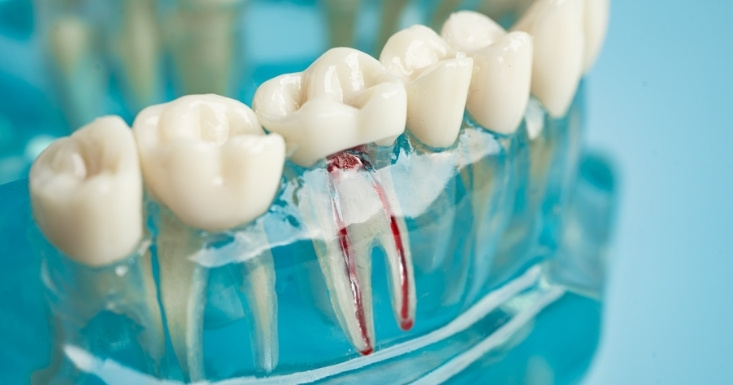
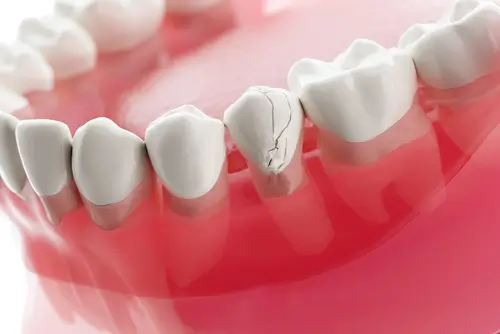
Book Now



When is a Root Canal Necessary? Understanding the Procedure and Benefits
Millbrae, CA


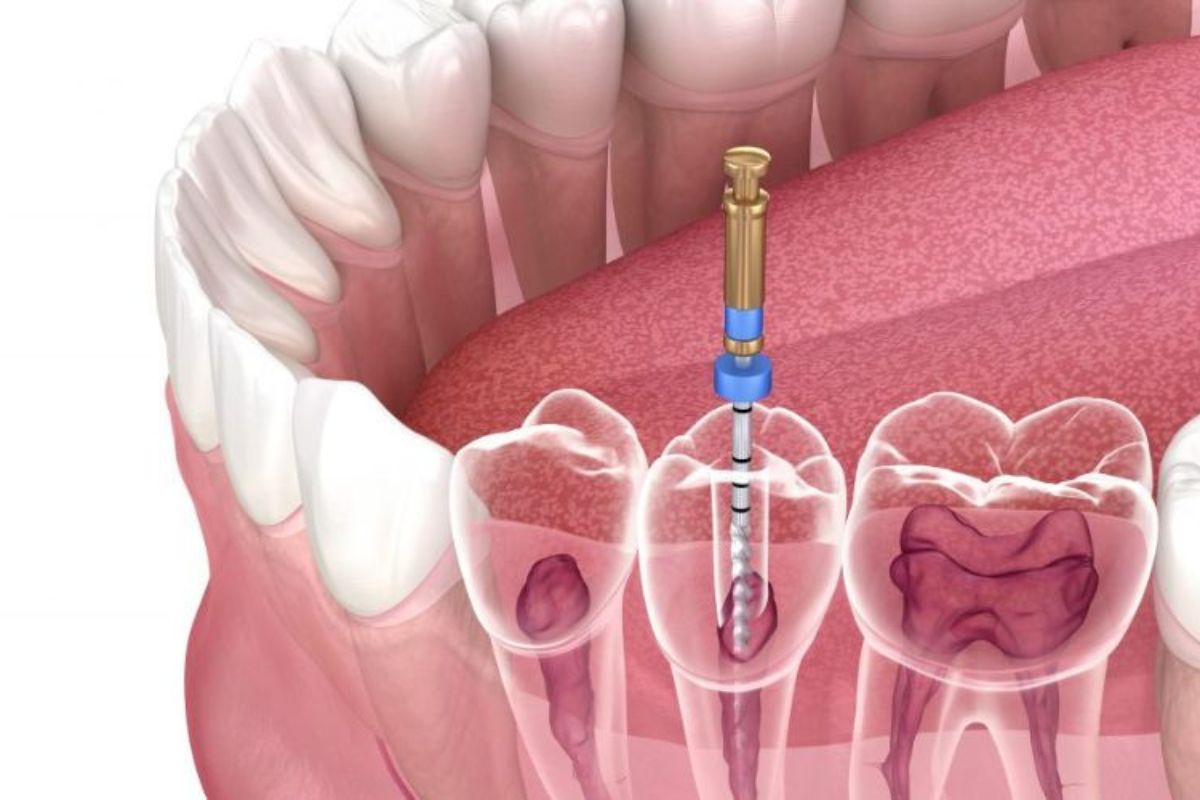
Dental health is a crucial part of overall well-being, and sometimes, despite our best efforts, problems arise that require professional intervention. One such procedure is root canal therapy, a treatment that many fear but can offer significant relief and long-term benefits. Whether you’re experiencing severe pain or noticing unusual symptoms, understanding when a root canal is necessary can help you make informed decisions about your oral health.
In this blog, we’ll discuss the signs that indicate you might need a root canal, how the procedure works, its benefits, and the factors to consider before proceeding. At Broadway Dental of Millbrae, we’re dedicated to ensuring your comfort and providing you with expert care.
What is a Root Canal?
A root canal is a dental procedure designed to treat infection or damage to the pulp of a tooth. The pulp is the soft tissue inside the tooth that contains nerves, blood vessels, and connective tissue.
When this pulp becomes infected, typically due to deep decay, a crack, or trauma, it can lead to severe pain, swelling, and even an abscess. If left untreated, the infection can spread, leading to further complications.
The procedure involves removing the infected or damaged pulp from within the tooth, cleaning the space, and sealing it to prevent future infection. The tooth is then restored with a filling or crown to return it to its normal function. The goal of root canal therapy in Millbrae is to save the natural tooth, preventing the need for extraction and maintaining its strength and appearance.
The anatomy of a tooth is made up of several layers: the hard enamel on the outside, the dentin underneath, and the soft pulp in the center. The pulp houses the tooth’s nerve, which is what causes the pain when it’s infected. A root canal is necessary when the pulp becomes infected or inflamed, often due to untreated cavities or cracks.
Signs You Might Need a Root Canal
Severe Tooth Pain
One of the most obvious signs that you may need a root canal is persistent, severe tooth pain, especially when chewing or applying pressure. This pain typically occurs because the infected pulp inside the tooth is inflamed, putting pressure on the nerves. The pain can be sharp, throbbing, or aching, and it tends to worsen over time.
Sensitivity to Hot and Cold
If you experience prolonged sensitivity to hot or cold foods and drinks, this could be another sign that your tooth’s pulp is compromised. A tooth with a damaged pulp may remain sensitive long after the hot or cold stimulus has been removed, signaling the need for a root canal.
Swollen Gums or Abscesses
Visible swelling around the affected tooth or the appearance of an abscess (a small pimple-like bump on the gums) is another indicator of an infection. An abscess forms when bacteria build up inside the tooth or gums, leading to pus and swelling. This can be painful and requires immediate attention.
Darkened Tooth
A tooth that turns dark or discolored, especially after trauma, is often a sign that the pulp has died or become infected. The discoloration occurs because the blood vessels inside the tooth are no longer functioning properly, which is why a root canal is needed to preserve the tooth and prevent further damage.
The Root Canal Procedure
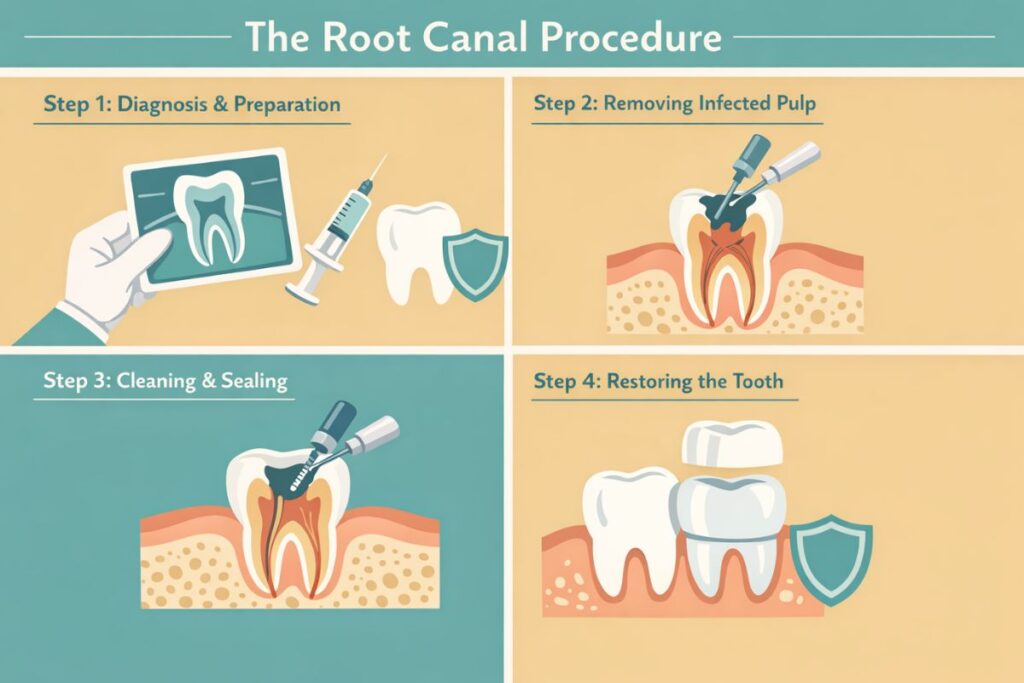
Step 1: Diagnosis and Preparation
Before performing a root canal, your dentist will conduct a thorough examination, including taking X-rays to assess the extent of the damage and infection. This helps determine whether a root canal is necessary or if other treatment options are more appropriate. Your dentist may apply a local anesthetic to numb the area around the affected tooth, ensuring the procedure is as comfortable as possible.
Step 2: Removing the Infected Pulp
Once the area is numb, the dentist will create a small opening in the crown of the tooth to access the pulp. The infected or damaged pulp is carefully removed, along with any debris or bacteria. This step helps eliminate the source of the pain and infection.
Step 3: Cleaning and Sealing the Tooth
After the pulp is removed, the inner chamber of the tooth is cleaned and disinfected to remove any remaining bacteria. The space is then filled with a biocompatible material called gutta-percha, which helps seal the tooth and prevent any future infection. A temporary filling may be placed to seal the opening until a permanent restoration is made.
Step 4: Restoring the Tooth
Once the root canal is complete, your dentist will restore the tooth with a permanent filling or crown. A crown is often necessary, especially for molars, as these teeth endure significant pressure when chewing. The crown will protect the tooth from further damage and help it function like a natural tooth.
Benefits of a Root Canal
Pain Relief
One of the most immediate and significant benefits of a root canal is pain relief. When the pulp of a tooth becomes infected or damaged, it can cause intense, throbbing pain. This pain often worsens when chewing or applying pressure to the affected tooth. During a root canal, the dentist removes the infected pulp, which eliminates the source of the pain.
After the procedure, most patients experience significant relief, and the discomfort gradually subsides. Root canal therapy in Millbrae can bring peace of mind by ending the constant tooth pain and preventing it from returning.
Saving the Natural Tooth
Another important benefit of a root canal is that it allows you to save your natural tooth. When a tooth’s pulp is damaged, it can lead to severe infection and even tooth loss. Without treatment, the infection can spread to surrounding teeth and bone.
A root canal helps preserve the tooth by removing the damaged pulp, cleaning and sealing the tooth to prevent further infection. By saving the tooth, you maintain the integrity of your smile and avoid the need for more invasive treatments like tooth extraction and replacements such as implants or bridges.
Preventing Further Infection
By addressing the infection at its source, a root canal helps prevent the spread of bacteria to other teeth. If left untreated, the infection can cause an abscess, which is a pocket of pus that can spread to other parts of your mouth and even affect your overall health.
During a root canal, the dentist removes all the infected tissue and fills the space with a biocompatible material. This seals the tooth and prevents any further bacterial growth, effectively halting the infection in its tracks.
Long-term Oral Health
Root canal therapy not only saves the tooth but also contributes to long-term oral health. By keeping the natural tooth in place, you preserve the function and alignment of your bite. Your surrounding teeth won’t shift or become misaligned, reducing the risk of further dental issues.
With proper care, a tooth that has undergone a root canal can last for many years, helping you maintain a strong, healthy smile for the long term.
How to Know if a Root Canal is Right for You
If you’re experiencing any of the symptoms mentioned above, it’s important to see a dentist for a professional evaluation. At Broadway Dental of Millbrae, our team will carefully assess your condition and discuss the best course of action. Whether that’s root canal therapy or another treatment option. Early diagnosis can help prevent further complications and ensure the best possible outcome for your oral health.
Understanding when a root canal is necessary and the benefits of the procedure can help alleviate any concerns about the process. While the thought of a root canal may be intimidating, it’s a safe and effective way to save a damaged tooth and prevent further pain and infection.
At Broadway Dental of Millbrae, we’re committed to providing expert care to ensure your comfort and health. If you’re experiencing any of the symptoms mentioned, don’t wait. Contact us today to schedule a consultation and explore your options for maintaining a healthy smile.
People Also Ask
1. How long does a root canal take?
A root canal usually takes between 60 and 90 minutes, depending on the complexity of the tooth.
2. What should I avoid after a root canal?
Avoid chewing on the treated tooth until it is fully restored with a crown. Follow your dentist’s aftercare instructions.
3. Can I eat normally after a root canal?
Once the tooth is restored, you can eat normally. Initially, avoid hard or chewy foods until the tooth is fully healed.
4. How long does a root canal last?
With proper care, a root canal-treated tooth can last many years, often for the rest of your life.
5. Can I drive after a root canal?
Yes, most patients are able to drive themselves home after the procedure, as it only requires local anesthesia.