Pay Online

Are you wondering why root canal treatments cost more for your molars than for your front teeth? If you’ve been faced with the possibility of needing a root canal, you’ve probably wondered about the price difference between front teeth and molars. Root canal therapy is a crucial treatment for saving a tooth that is severely damaged due to infection or decay. But why does it seem to cost more when the procedure is done on a molar compared to a front tooth?
In this blog, we’ll break down the factors influencing the cost of root canal therapy at Broadway Dental of Millbrae and provide insights into why front teeth and molars come with different price tags. Understanding these differences can help you prepare for treatment and make informed decisions about your dental care.
Understanding Root Canal Treatment
What is a Root Canal?
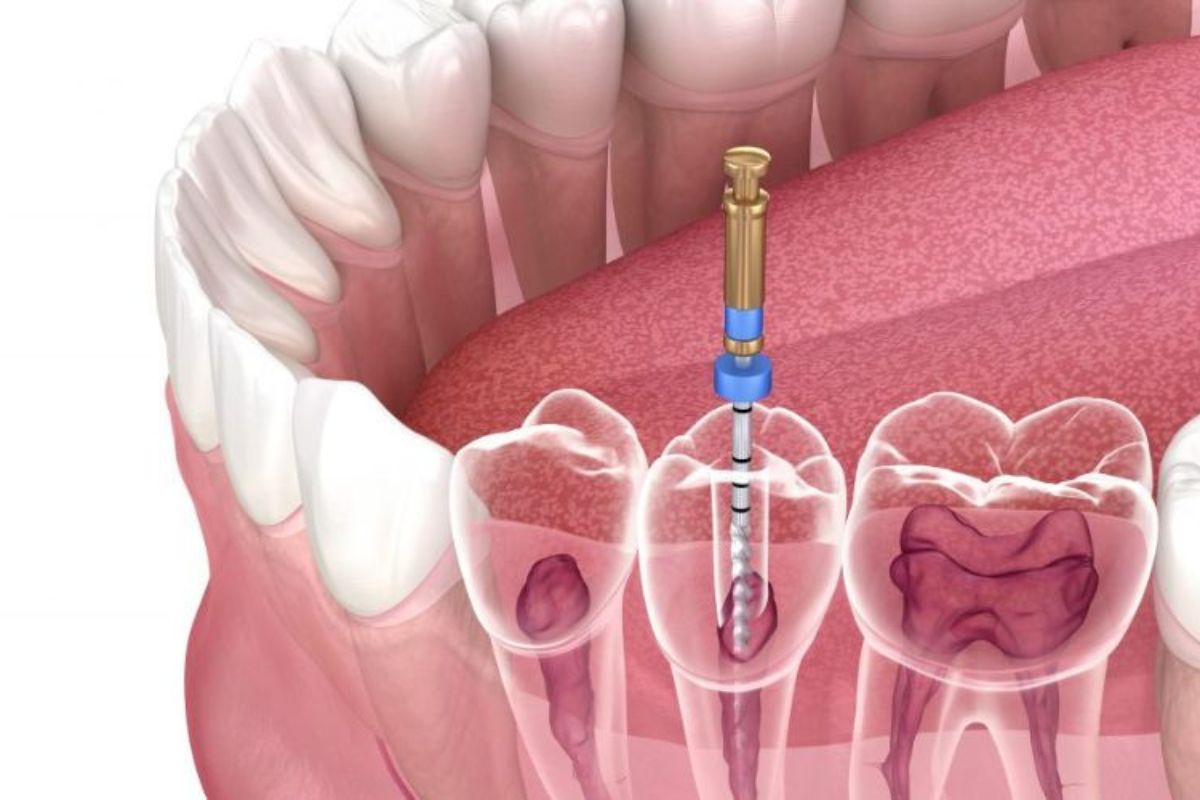
A root canal is a dental procedure aimed at treating infection or damage inside a tooth. When the pulp (the innermost part of the tooth, which contains nerves and blood vessels) becomes infected or inflamed, it can cause severe pain. A root canal removes this infected pulp and seals the tooth to prevent further damage.
Why It’s Necessary
Root canal therapy becomes necessary when a tooth’s pulp becomes infected, often due to deep decay, trauma, or cracks. The infection can cause intense pain and can lead to an abscess, which may spread to other areas of your mouth or body if left untreated. Without this procedure, the tooth may need to be extracted.
General Cost Factors
The cost of root canal therapy in Millbrae varies depending on several factors:
- Location: The cost of dental procedures can vary significantly from one area to another. Millbrae’s proximity to San Francisco may impact treatment prices.
- Complexity of the Procedure: The size and number of roots in the tooth can affect treatment time and cost. Front teeth generally have one root, while molars have multiple roots.
- Dentist’s Experience: More experienced dentists or specialists may charge higher fees for their services.
- Need for Additional Treatments: Many times, a root canal requires further restoration, such as crowns or posts, to restore the tooth’s function and strength.
Front Teeth vs. Molars: Why the Price Difference?
Anatomy and Complexity
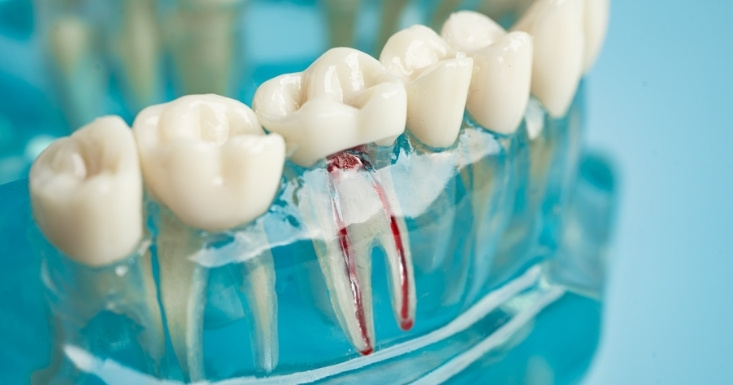
One of the key reasons root canal treatments differ in cost between front teeth and molars is the structure of the teeth themselves. Front teeth, such as incisors and canines, typically have a single root and a relatively simple canal system. This makes the procedure more straightforward, as there’s only one root to clean and seal.
In contrast, molars are much more complex. They usually have two to four roots and multiple canals within each root. This increases the difficulty of the procedure, as each canal needs to be cleaned thoroughly to remove the infection. The extra complexity in molars requires more precision, advanced tools, and more time to ensure the treatment is effective.
Treatment Duration
The additional complexity of molars means they typically require longer treatment times compared to front teeth. While a root canal on a front tooth might take about an hour, a molar root canal can take anywhere from 90 minutes to two hours.
The dentist needs to carefully clean and shape each canal to ensure it is properly sealed. This extended treatment time is one of the factors contributing to higher costs for molars.
Additional Considerations for Molars
Molars often require additional procedures after the root canal to restore their function. After the infected pulp is removed and the root canals are sealed, a post-and-core or crown is frequently necessary to protect the molar from further damage and restore its strength.
Since molars bear more chewing pressure, crowns are typically needed to ensure the tooth functions properly and does not break. These added steps, such as the placement of a crown or post, increase the overall cost of the root canal treatment for molars compared to front teeth.
In short, molars demand more time, precision, and follow-up care, which significantly affects the price of the procedure.
Root Canal Costs for Front Teeth

General Price Range
On average, the cost for a root canal on a front tooth in Millbrae ranges between $600 and $1,200. This price can fluctuate depending on the complexity of the case, the dentist’s expertise, and the need for additional treatments like a crown.
Factors That Affect Cost
- Crown Requirement: Often, front teeth need a crown after the procedure to ensure they function properly and maintain their appearance. This can add to the cost, with crowns typically priced between $800 and $1,500.
- Procedure Complexity: If the tooth is severely damaged or requires additional steps to complete the root canal, the price may increase slightly.
Insurance Coverage
Most dental insurance plans cover a significant portion of the cost of a root canal for front teeth, including some of the restoration expenses, though the amount covered will depend on your specific plan. It’s a good idea to check with your insurance provider before scheduling the procedure to understand your benefits and out-of-pocket costs.
Root Canal Costs for Molars

General Price Range
The cost for a root canal on a molar in Millbrae typically ranges from $1,000 to $1,500. This price reflects the increased complexity of the procedure due to multiple roots and canals, and it often includes the additional restoration work needed afterward.
Why Molar Treatments Are More Expensive
Molar root canals are generally more expensive because they require more time and precision due to the multiple roots. Additionally, molars often require crowns or posts to restore them after the root canal, which adds to the overall cost.
Insurance Coverage
Similar to front teeth, insurance coverage for molar root canals is common, but the level of coverage may vary. Some plans may cover more of the procedure for front teeth than molars, so it’s important to confirm with your insurance provider.
How to Save on Root Canal Costs in Millbrae
Insurance Tips
Make sure you fully understand your dental insurance coverage. Many plans cover root canals, but the details can vary. Check if your plan covers the full procedure, including follow-up care such as crowns or posts.
Payment Plans
Some dental offices, including Broadway Dental of Millbrae, offer payment plans or financing options to make the cost of treatment more manageable. These plans allow you to pay for your procedure in smaller, more affordable installments over time.
Preventative Care
The best way to save money on root canal therapy in Millbrae is to avoid needing one in the first place. Regular dental checkups, good oral hygiene, and addressing small cavities before they become bigger issues can prevent the need for costly treatments.
Look for Affordable Dental Clinics
If cost is a concern, consider looking for dental offices that offer quality care at competitive prices. Broadway Dental of Millbrae offers high-quality root canal therapy with financing options, making it easier for residents to get the care they need without breaking the bank.
In conclusion, root canal therapy for molars tends to be more expensive than for front teeth due to the complexity of the procedure and the need for additional restorations. However, understanding the cost breakdown, knowing your insurance benefits, and exploring financing options can help manage the financial aspect of your treatment.
If you’re experiencing tooth pain or think you may need a root canal, don’t delay seeking treatment. Schedule a consultation with Broadway Dental of Millbrae today to get an accurate estimate and discuss your treatment options. Our team is here to ensure you get the best care at a price that works for you.
Frequently Asked Questions
1. How many roots do molars have compared to front teeth?
Molars usually have two to four roots, while front teeth typically have just one root.
2. How long does a root canal on a molar take?
A root canal on a molar typically takes 90 minutes to two hours, while a front tooth procedure takes about an hour.
3. How long is the recovery after a root canal?
Recovery typically takes a few days, with most people experiencing mild discomfort that can be managed with over-the-counter pain medication.
4. Can I eat immediately after a root canal?
It’s best to avoid eating on the treated side until the anesthesia wears off. Soft foods are recommended for the first few days.