Book Now



Porcelain Veneers and Teeth Sensitivity: What You Need to Know Before Treatment
Millbrae, CA


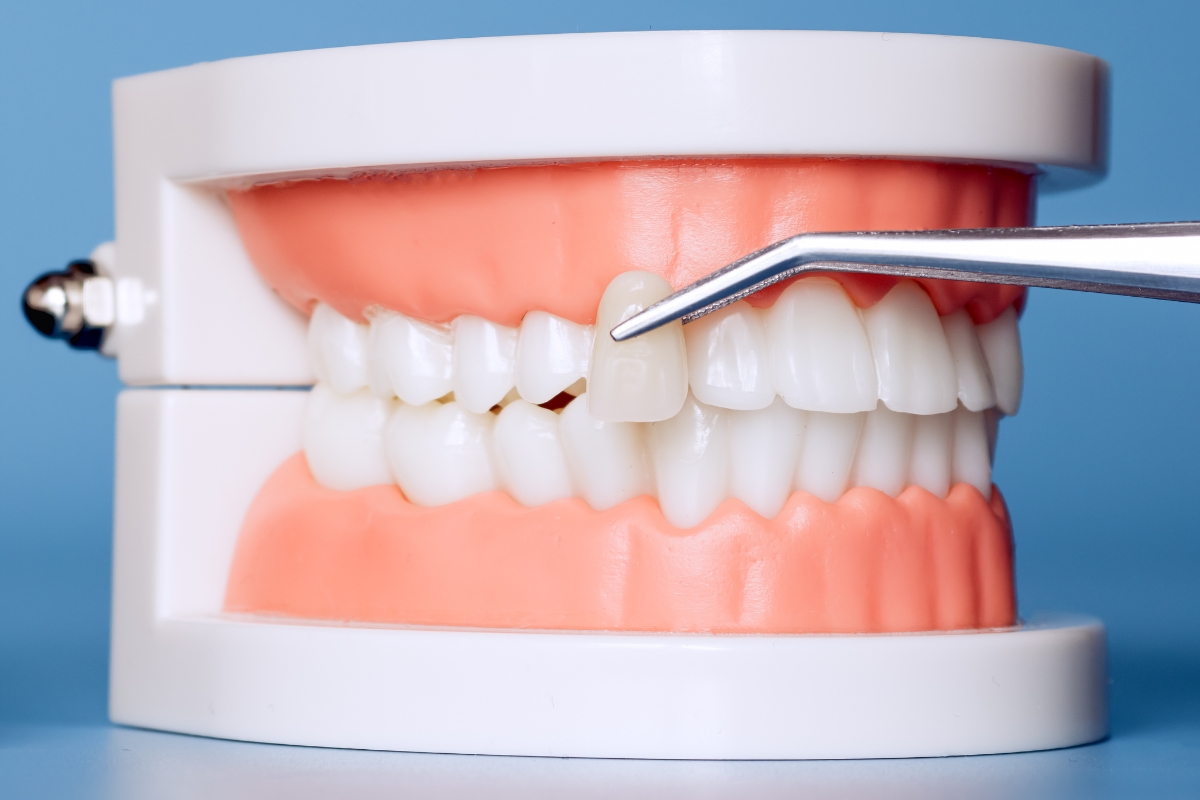
When considering porcelain veneers, you need to think about a perfect, shining smile that can boost your confidence. These thin shells are designed to be placed over the front of your teeth to mask discoloration, chips, and misalignment. However, it is good to know what to expect from this dental procedure, specifically regarding tooth sensitivity. This will help you determine whether the procedure is appropriate for you.
If you are one of those people who wonder how this cosmetic procedure compares to other options, such as composite veneers, or are concerned about its long-term effects, then this blog is for you. In this blog, you will learn how porcelain veneers can affect tooth sensitivity and provide some insight into the treatment process. We will break down everything you need to know about porcelain veneers, including their benefits and how to minimize discomfort during your treatment.
How Porcelain Veneers Work?
Porcelain veneers are among the most sought-after cosmetic dental treatments, designed to enhance one’s smile. A cosmetic dentist will attach thin porcelain shells to the front of your teeth. This is done by removing a thin layer of enamel from the surface of your teeth, which may cause tooth sensitivity for a short time right after the procedure. Sensitivity can vary among people, but in most cases it resolves in days or weeks.
One of the most frequent questions patients ask is whether porcelain veneers in Millbrae, CA, are permanent. Although porcelain veneers are made to be durable and last for several years, they are not permanent. They can be prone to breaking down over time and may need to be replaced or adjusted after years of wear and tear. But if properly cared for, they can maintain a great smile for years. Most people face fewer issues with porcelain veneers than with other materials, such as composite veneers, which can easily stain or chip.
How To Reduce Teeth Sensitivity After Veneers
It is not very unusual for the teeth to be sensitive after porcelain veneers. Since a thin layer of enamel must be removed during the procedure, your teeth may feel slightly more sensitive to hot, cold, or even pressure for a short time. This sensitivity is usually temporary and should improve as your teeth adjust to the veneers.
However, if the sensitivity persists, it could indicate that the veneers do not fit properly or that you need to see your cosmetic dentist for an adjustment. Your dentist may also recommend desensitizing toothpaste or over-the-counter pain relievers, if necessary, to help alleviate sensitivity. This is also a good time to avoid extremely hot or cold foods and beverages for the first few days after your procedure.
Porcelain Veneers vs Composite Veneers
Both porcelain and composite veneers can significantly improve the aesthetics of your smile, but there are some key differences between them. Here’s a quick comparison that will help you reach a decision:
- Durability: Porcelain veneers are highly durable and long-lasting, whereas composite veneers wear down over time.
- Stain Resistance: While porcelain veneers are highly stain-resistant, composite veneers are more prone to staining, especially with frequent contact with various foods or beverages.
- Appearance: Porcelain veneers tend to look more natural because they are translucent and reflect light much like natural teeth, while composite veneers may not look as natural over time.
- Treatment Time: Whereas composite veneers often can be finished in one visit, porcelain veneers may require several appointments, including time for customization in a lab.
Unleash Your Dream Smile with Confidence
If you are considering porcelain veneers to improve your smile, you must understand the procedure and the sensitivity you may feel afterward. With proper oral hygiene, porcelain veneers will give you a natural-looking, bright smile for many years. Although initial sensitivity is common, it is usually temporary and should not interfere with enjoying the benefits of your new smile.
Ready to learn more about porcelain veneers and how they can transform your smile? Contact us today at Broadway Dental of Millbrae. Our cosmetic dentist will walk you through each step of the process to ensure you are comfortable and confident in your decision. Give us a call today and book your appointment to get on the road to your perfect smile!
FAQs
- What are porcelain veneers made of?
Porcelain veneers are crafted from a high-quality, durable ceramic material that closely resembles the natural appearance and texture of teeth. This material ensures a lifelike look while being strong and stain-resistant. - Are porcelain veneers permanent?
While porcelain veneers are highly durable, they are not permanent. Over time, they may need to be replaced or repaired due to wear and tear or accidental damage. - How long do porcelain veneers last?
With proper care, porcelain veneers typically last between 10 to 15 years, and some can even last longer, making them a long-term investment for your smile. - Do porcelain veneers cause pain?
While most patients feel minimal discomfort, some may have temporary sensitivity right after the procedure. This typically fades within a few days to a week. - How do I care for my porcelain veneers?
To keep your veneers looking their best, brush and floss regularly, avoid biting down on hard objects, and schedule routine checkups with your cosmetic dentist to maintain optimal oral health. - Can porcelain veneers be repaired?
If a veneer gets damaged, it may be repaired or replaced, depending on the extent of the damage. Your dentist can assess the situation and recommend the best solution.