Pay Online

Root canals get a bad rap. A lot of people hear the words and think, “Oh no, that’s going to hurt.” But that’s not really how it goes for most folks. In reality, if your dentist spots the problem early, a root canal can actually save your tooth and alleviate your pain.
If you’re in Millbrae and wondering if you need a root canal, it helps to know what to look out for. Here are some signs that indicate it’s time to call your dentist before the situation worsens.
So, What’s a Root Canal Anyway?
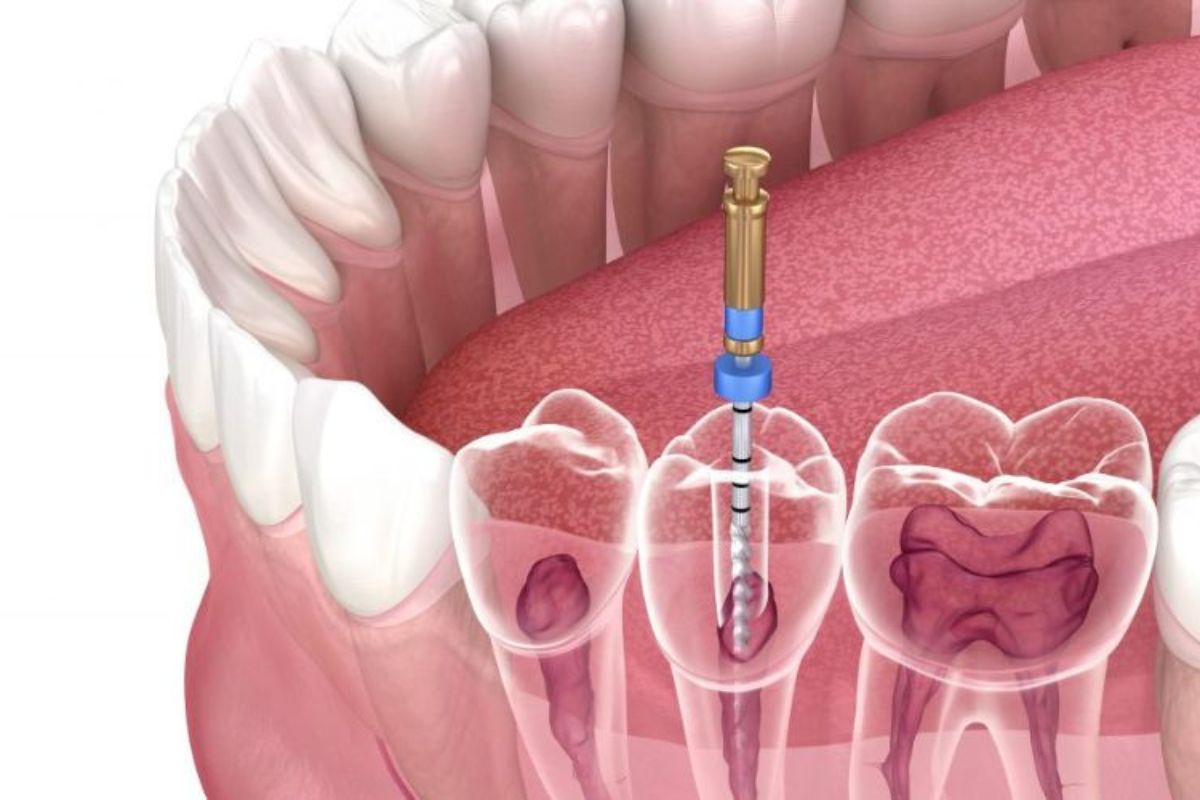
Basically, a root canal is a way for your dentist to rescue a tooth that’s badly infected or decayed. They take out the damaged or infected pulp inside the tooth, clean everything up, and seal it off so you don’t get another infection. The best part? You get to keep your natural tooth instead of having it removed.
How Do You Know You Might Need One?
Tooth Pain That Won’t Go Away
If your tooth hurts and just won’t stop, that’s a classic sign something’s wrong inside. Maybe it’s sharp, maybe it throbs, perhaps it gets worse when you chew — either way, that pain is worth paying attention to. Not every toothache means you need a root canal, but pain that lingers definitely isn’t normal.
Long-Lasting Sensitivity
Everyone experiences some tooth sensitivity from time to time. However, if you drink something hot or cold and your tooth continues to ache long after, it could mean the nerve inside is in trouble. That’s your cue to book a visit with your Millbrae dentist. Ongoing sensitivity like that usually indicates that the pulp is infected and requires treatment, such as a root canal.
Swollen or Tender Gums
Notice a sore spot or swelling on your gum near a tooth? Maybe there’s even a little bump that looks like a pimple and sometimes drains pus. That’s probably an abscess — a sure sign of infection that’s reached the inside of your tooth. Don’t ignore swelling or tenderness. Get it checked out before it gets worse.
Tooth Discoloration
If one of your teeth starts to look darker than the rest — kind of grayish or dull — that’s a red flag. It usually means the inside of the tooth is damaged or dying. Discoloration like that often means it’s time for a root canal.
Pain When You Bite Down
If it hurts every time you chew or even touch the tooth, that’s another sign something’s wrong deep inside. Pressure on an infected pulp can make eating miserable. Don’t just live with it — your dentist in Millbrae can figure out what’s going on.
What Happens During a Root Canal?
If your dentist says you need a root canal, don’t panic. The procedure is pretty straightforward. You’ll get local anesthesia so you don’t feel a thing. Then, your dentist removes the infected pulp, cleans the tooth, and seals it to prevent further infection. Sometimes they’ll put a crown on top to make the tooth strong again.
Why Catching It Early Matters
The sooner you catch an infection, the easier it is to fix. Root canals are much less stressful when treatment is received early. If you wait too long, however, the infection can spread, and you may even lose the tooth. So, don’t ignore those warning signs.
Knowing what to watch for helps you address dental problems before they escalate into more significant issues. If you’re experiencing any of these symptoms, contact your Millbrae dentist for a check-up. Acting early means you’ll keep your natural teeth and skip the pain down the road.
Don’t wait until the pain’s unbearable. If something feels off with your tooth, reach out to Millbrae Dentist and schedule an appointment. It’s always better to know what’s going on and address the issue before it worsens.
FAQs
- How long does a root canal take?
A root canal procedure typically takes between 60 and 90 minutes, depending on the complexity of the dental condition. - Does a root canal hurt?
Most patients report little to no pain during a root canal procedure, thanks to the use of local anesthesia. Some discomfort may occur afterward, but it’s usually manageable with over-the-counter pain relievers. - Can I go back to work after a root canal?
Most people can return to work the same day, though some may experience mild discomfort that may require a rest day. - How can I prevent needing a root canal?
Regular brushing, flossing, and routine dental checkups are crucial for preventing tooth decay and infections that may necessitate a root canal.