Pay Online

Severe tooth pain can stop you in your tracks. But not every toothache means you need to rush to a dentist immediately. Knowing when to seek emergency care vs when you can wait in Millbrae could save you time, stress, and discomfort. Dr. Donald Yang and the team at Broadway Dental of Millbrae are here to help you understand the difference.
What Causes Severe Tooth Pain in Millbrae Patients?
Tooth pain ranges from mild sensitivity to sharp, throbbing agony. The cause determines how urgently you need treatment. Understanding the source helps you make a smarter decision about your next step.
Some of the most common causes of severe tooth pain include:
- Deep tooth decay that has reached the inner pulp
- A cracked or fractured tooth exposing sensitive nerves
- A dental abscess or serious infection
- Gum disease that has progressed to an advanced stage
- A lost or damaged filling or crown
- Impacted wisdom teeth pressing against other teeth
Each cause carries a different level of urgency. Some situations demand same-day attention. Others are painful but can safely wait a day or two for a scheduled appointment.
Signs You Need Emergency Dental Care Right Away
Certain symptoms signal a true dental emergency. These situations should not wait. Delaying care could lead to serious health complications or permanent tooth loss.
Seek same-day emergency dental care if you experience any of the following:
- Severe, throbbing pain that does not respond to over-the-counter pain relievers
- Facial swelling around your jaw, cheek, or eye area
- A visible abscess or pimple-like bump on your gums
- Fever alongside your tooth pain
- Difficulty swallowing or breathing
- A knocked-out or partially displaced adult tooth
A dental abscess is especially dangerous. It is a bacterial infection that can spread to your jaw, neck, or even your brain if left untreated. Facial swelling with fever is a medical red flag. Do not wait if you notice these warning signs together.
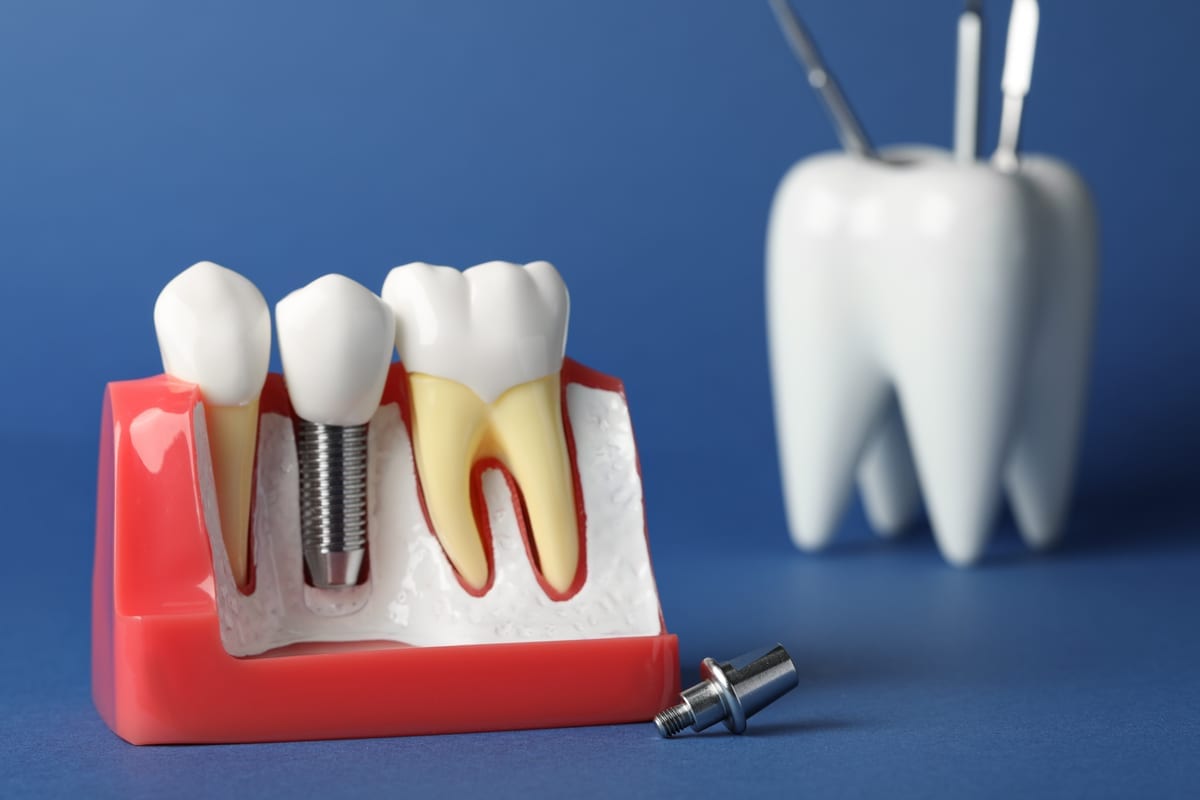
A knocked-out tooth also requires immediate action. Time is critical. The sooner you see a dentist, the better your chances of saving the tooth. In some cases, a lost tooth may eventually need replacement with solutions like Dental Implant Restorations Millbrae to restore your smile and function.
When Tooth Pain Can Safely Wait a Day or Two
Not all dental pain qualifies as a true emergency. Some discomfort is real and uncomfortable but not life-threatening. These situations still need professional attention — just not necessarily on the same day.
You may be able to wait a short time if you experience:
- Mild to moderate tooth sensitivity when eating hot or cold foods
- A chipped tooth with no pain or sharp edges
- A lost filling that does not cause significant pain
- Dull, achy discomfort that responds well to pain relievers
- Minor gum soreness or irritation
While waiting, you can manage discomfort at home. Rinse with warm salt water to reduce inflammation. Avoid chewing on the affected side. Use over-the-counter pain relievers as directed. Apply a cold compress to your cheek to reduce swelling.
Even if it feels manageable, do not ignore the pain for long. Dental problems rarely resolve on their own. Waiting too long often leads to more complex and costly treatment later.
How Dr. Donald Yang Diagnoses and Treats Severe Tooth Pain in Millbrae
When you come to Broadway Dental of Millbrae with tooth pain, Dr. Yang takes a thorough, patient-centered approach. He listens carefully to your symptoms. Then he uses X-rays and a clinical exam to identify the root cause quickly.
Treatment depends entirely on what is causing your pain. Common solutions include root canal treatment to save an infected tooth, dental crowns to protect a cracked tooth, or a tooth extraction when necessary. Dr. Yang walks you through every option clearly and honestly.
Preventing future emergencies is just as important as treating current pain. Good oral hygiene habits and regular checkups play a major role. Our team offers Dental Hygiene Education Millbrae to help patients build the daily habits that protect their teeth long term.
At Broadway Dental of Millbrae, we treat every patient with care and respect. We know dental pain can feel overwhelming. Our goal is to make you comfortable, informed, and confident in your treatment plan.
Tips to Prevent Dental Emergencies Before They Happen
Prevention is always better than emergency treatment. Many dental emergencies are entirely avoidable with consistent care. Small habits make a significant difference over time.
Here are practical steps to reduce your risk of a dental emergency:
- Brush twice daily with fluoride toothpaste
- Floss every day to remove bacteria between teeth
- Visit your dentist for regular checkups and cleanings every six months
- Wear a custom mouthguard during contact sports
- Avoid chewing on hard objects like ice, pen caps, or popcorn kernels
- Address dental sensitivity or discomfort early before it worsens
Catching problems early keeps treatment simpler and less invasive. A small cavity treated today is far less complicated than a root canal treated next year. Prioritizing your oral health now protects your smile for the future.
Conclusion: Know When to Act and When to Wait
Severe tooth pain in Millbrae is never something to dismiss entirely. But understanding the difference between a true emergency and something that can wait helps you respond wisely. Signs like facial swelling, fever, or a knocked-out tooth demand same-day care. Mild sensitivity or a lost filling can typically wait a short time with proper home management.
Dr. Donald Yang and the Broadway Dental of Millbrae team are here to guide you through any dental concern — urgent or routine. We offer compassionate, expert care to help you feel better fast and protect your smile long term. Book Now to schedule your appointment with our team.
Frequently Asked Questions
How do I know if my tooth pain is a dental emergency?
Signs of a dental emergency include severe throbbing pain that does not respond to pain relievers, facial swelling, fever, difficulty swallowing, or a knocked-out tooth. If you notice any of these symptoms, contact a dentist for same-day care right away.
What should I do while waiting for my emergency dental appointment?
Rinse your mouth with warm salt water to help reduce inflammation. Apply a cold compress to the outside of your cheek for swelling. Take over-the-counter pain relievers as directed. Avoid eating on the affected side until you are seen by a dentist.
Can a toothache go away on its own?
Some mild sensitivity can ease temporarily, but the underlying cause rarely resolves without treatment. A toothache that comes and goes often signals a developing problem. It is always best to have a dentist evaluate persistent or recurring tooth pain before it worsens.
What is a dental abscess and is it dangerous?
A dental abscess is a bacterial infection that forms a pocket of pus inside the tooth or surrounding gum tissue. It is a serious condition that can spread to your jaw, neck, or other areas of the body if left untreated. Fever and facial swelling alongside tooth pain are warning signs that require immediate attention.
How often should I visit the dentist to prevent dental emergencies?
Most patients benefit from dental checkups and professional cleanings every six months. Regular visits allow your dentist to catch small problems before they become painful emergencies. Patients with a history of gum disease or frequent cavities may need more frequent appointments based on their individual needs.