Pay Online
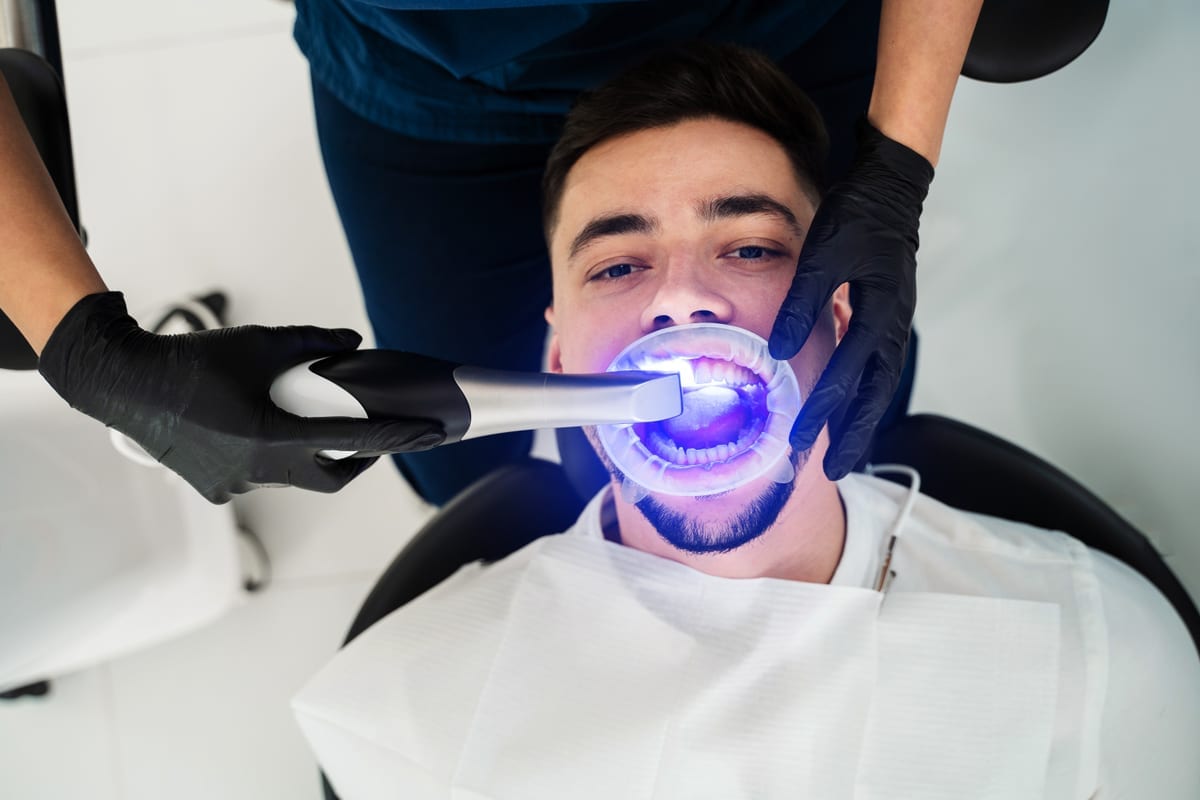
So you’re wondering: will teeth whitening actually work for you in Burlingame? It’s a fair question. Whitening is one of the most requested cosmetic treatments in dentistry. But it doesn’t deliver the same results for everyone. Understanding your specific situation can save you time, money, and disappointment.
At Broadway Dental of Millbrae, Dr. Donald Yang helps patients near Burlingame figure out exactly what whitening can — and cannot — do for their smile. This guide walks you through the key factors that determine whether whitening is right for you.
Why Teeth Whitening Works for Some People and Not Others in Burlingame
Teeth whitening uses peroxide-based agents to break apart stain molecules. This process works best on extrinsic stains — stains that sit on the outer layer of your enamel. These are caused by food, drinks, and lifestyle habits over time.
Common sources of extrinsic staining include:
- Coffee, tea, and red wine
- Dark-colored sauces and foods
- Tobacco use
- Poor brushing habits over time
If your yellow or brown discoloration comes from these sources, professional whitening typically works well. You can expect noticeable results within one to two weeks of treatment. The key is that the stains live on the surface, where whitening agents can reach them.
However, not all discoloration is surface-level. That’s where things get more complicated — and where many patients feel frustrated when whitening doesn’t deliver expected results.
Who Gets the Best Results: Candidacy Factors to Know Before You Whiten
The ideal whitening candidate has healthy teeth and gums. Active cavities or gum disease should be treated first. Whitening on compromised enamel can cause sensitivity or uneven results.
Here are signs you may be a strong whitening candidate:
- Your teeth are naturally yellow or have surface stains
- You have no untreated decay or gum disease
- You have mostly natural teeth without heavy restorations in visible areas
- You are not pregnant or nursing
- You don’t experience extreme tooth sensitivity
Age also plays a role. Younger patients tend to have larger pulp chambers, which can increase sensitivity during whitening. Dr. Yang recommends patients wait until their late teens at the earliest. Adults in their 20s through 50s often see the best outcomes from professional whitening treatments.
Maintaining good Dental Hygiene Education Burlingame is also essential before starting any whitening program. Clean, plaque-free teeth absorb whitening agents more evenly and effectively.
When Whitening Won’t Help: Crowns, Veneers, and Intrinsic Stains
This is one of the most important things patients near Burlingame need to understand. Whitening agents do not change the color of dental restorations. Crowns, veneers, bonding, and bridges will not respond to bleaching products.
If you have visible crowns or veneers on your front teeth, whitening your natural teeth can actually create a mismatch. Your natural teeth may brighten while your restorations stay the same shade. This uneven result often looks worse than before treatment.
Intrinsic stains are another challenge. These stains develop inside the tooth structure itself. Common causes include:
- Tetracycline or other antibiotic use during tooth development
- Excessive fluoride exposure in childhood (dental fluorosis)
- Tooth trauma that caused internal bleeding or nerve damage
- Aging, which naturally darkens dentin beneath the enamel
Peroxide-based whitening products cannot penetrate deeply enough to eliminate intrinsic staining. Patients with these conditions may need alternative cosmetic solutions like porcelain veneers or dental bonding. Dr. Yang will evaluate your stain type during a consultation and recommend the most appropriate path forward.
Medication-Induced Staining and Other Overlooked Candidacy Issues
Many patients don’t realize that certain medications cause tooth discoloration. Tetracycline antibiotics taken during childhood are one of the most common culprits. They create deep gray or brown banding that resists even the strongest whitening treatments.
Other medications associated with staining include antihistamines, antipsychotics, and some blood pressure medications. Iron supplements can also cause dark deposits on teeth over time. If you’ve been on long-term medication and notice discoloration, mention it during your dental consultation.
Patients with existing restorations in their smile zone — such as those who have needed Dental Implant Restorations Burlingame — should also discuss whitening timing carefully. Whitening before getting new restorations is often the smarter approach. That way, your dentist can match new crowns or implant crowns to your freshly whitened natural teeth.
Sensitivity history is another factor. Some patients experience sharp discomfort during or after whitening. Dr. Yang can recommend desensitizing pre-treatments or lower-concentration options to make the process more comfortable.
Professional Whitening vs. Over-the-Counter Products: What Actually Delivers Results
Walk into any pharmacy and you’ll find dozens of whitening strips, pens, and trays. Many patients try these first before visiting a dentist. Some see moderate improvement; many feel let down.
Over-the-counter products use lower peroxide concentrations. They take longer and often deliver less dramatic results. They also fit poorly compared to custom trays, which means uneven whitening across teeth.
Professional whitening at Broadway Dental of Millbrae offers several advantages:
- Custom-fitted trays for even gel distribution
- Higher-concentration whitening agents for faster results
- Professional supervision to monitor sensitivity
- Pre-treatment evaluation to confirm you’re a good candidate
- Guidance on maintaining results long-term
The difference in outcome between professional and store-bought options is significant for most patients. If you’ve tried OTC products and felt disappointed, professional-grade treatment may still deliver the results you’re looking for.
What to Do If Whitening Isn’t Right for You
Not being a whitening candidate doesn’t mean you’re stuck with your current smile. Several cosmetic dental options can address staining that whitening cannot touch. Porcelain veneers cover the front surface of teeth with a thin, custom-made shell. They can mask intrinsic stains, tetracycline staining, and uneven coloring completely.
Dental bonding uses tooth-colored resin to cover discoloration or chips at a lower cost. It’s a great option for patients who want a quick improvement without major dental work. Crowns can also refresh the look of severely stained or damaged teeth.
Dr. Yang takes time to understand each patient’s goals and history before recommending any cosmetic treatment. There’s no one-size-fits-all approach — especially when it comes to smile aesthetics.
Conclusion: Self-Screen Before You Start
Understanding whether teeth whitening will work for you in Burlingame comes down to knowing your stain type, your restoration history, and your overall oral health. Extrinsic stains from food and lifestyle respond beautifully to professional whitening. Intrinsic stains, restorations, and medication-related discoloration require a different strategy.
The best first step is always a professional evaluation. Dr. Donald Yang and the team at Broadway Dental of Millbrae are here to help Burlingame patients make smart, informed decisions about their smiles. Book Now to schedule your appointment with our team.
Frequently Asked Questions
Does teeth whitening work on dental crowns or veneers?
No. Whitening agents only affect natural tooth enamel. Crowns, veneers, and bonding materials do not respond to bleaching products. If you have visible restorations, consult your dentist before whitening to avoid color mismatches.
How long does professional teeth whitening last?
Results typically last six months to two years, depending on your diet and habits. Avoiding staining foods and drinks, along with good oral hygiene, helps maintain your results longer. Touch-up treatments can extend brightness over time.
Can whitening cause permanent damage to my teeth?
When used correctly under professional supervision, whitening is considered safe. Temporary sensitivity is common but usually fades within a few days. Overuse of high-concentration products without guidance can weaken enamel, which is why professional oversight matters.
What causes intrinsic tooth staining?
Intrinsic staining develops inside the tooth structure. Common causes include antibiotic use during childhood, fluorosis, tooth trauma, and natural aging. These stains cannot be removed with surface whitening treatments and typically require cosmetic solutions like veneers.
How do I know if I’m a good candidate for teeth whitening in Burlingame?
The best way to find out is through a professional evaluation. A dentist will examine your stain type, gum health, existing restorations, and sensitivity levels. Dr. Donald Yang at Broadway Dental of Millbrae can assess your candidacy and recommend the most effective treatment for your smile goals.