Pay Online
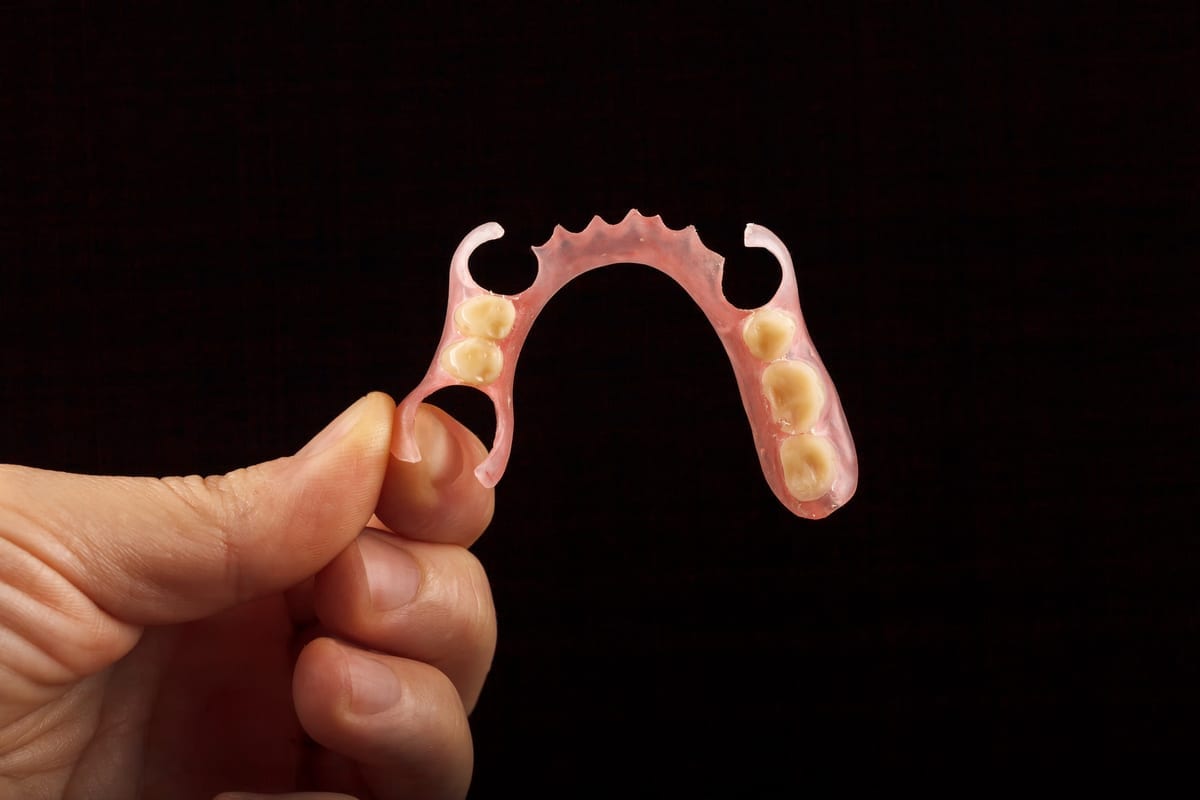
Getting new dentures is a big step toward restoring your smile and confidence. But the first few weeks can feel overwhelming — and that is completely normal. At Broadway Dental of Millbrae, Dr. Donald Yang helps patients navigate your first month with dentures: what to expect and how to thrive in Millbrae through every stage of adjustment. Understanding what lies ahead makes the process far less stressful.
This guide walks you through the realistic changes you will experience. It also gives you practical strategies to adapt quickly and comfortably. You are not alone on this journey, and most challenges resolve sooner than patients expect.
The First Few Days: What Your Mouth Is Going Through
New dentures feel bulky and foreign at first. Your mouth has never held a prosthetic appliance before, so some discomfort is expected. Most patients notice increased saliva production in the first 24 to 48 hours. This is your mouth’s natural response to something new — it settles down quickly.
Soreness is another very common experience early on. Pressure points where the denture contacts your gum tissue can become tender. Dr. Yang recommends keeping your follow-up appointment so these sore spots can be identified and adjusted. Small refinements to denture fit make a significant difference in comfort.
You may also notice your lips and cheeks feel slightly pushed outward. This sensation fades as your facial muscles adapt. Give yourself at least one full week before drawing conclusions about comfort or fit.
Speech Changes During Your Denture Adjustment Period in Millbrae
Many new denture wearers are surprised by speech changes. Words with
Frequently Asked Questions
How long does it take to adjust to wearing dentures?
Most patients need about 3-8 weeks to feel comfortable with their new dentures, though some adjustment may continue for several months. During the first month, it’s normal to experience minor discomfort, increased saliva production, and difficulty speaking or eating certain foods. Be patient with yourself—your mouth is adapting to a significant change, and consistent wear will speed up the adjustment process.
What should I eat during my first month with dentures?
Start with soft, cool foods like yogurt, smoothies, mashed potatoes, and scrambled eggs to minimize discomfort and reduce the risk of denture movement. Avoid hot foods initially, as they can soften the denture base and affect the fit. As you gain confidence, gradually introduce more textured foods, always cutting them into small pieces and chewing on both sides of your mouth.
Why do my dentures feel loose or move around?
Some movement is completely normal during the first month as your tissues adjust and the denture settles into its final position. Your dentist may need to make adjustments to improve the fit and retention, so schedule follow-up appointments as recommended. Using denture adhesive can provide extra security while your mouth adapts to the new prosthetic.
How should I clean and store my dentures each day?
Rinse your dentures after meals, brush them daily with a soft-bristled denture brush and denture cleaner, and soak them overnight in a denture solution to keep them moist and prevent warping. Never use regular toothpaste, as it’s too abrasive and can damage the denture surface. Proper daily care will extend the life of your dentures and keep them looking fresh.
Is it normal to have sore spots or irritation in my mouth?
Yes, some soreness and irritation are common during the adjustment period and can be addressed with denture adjustments from your dentist. Avoid trying to adjust or repair your dentures yourself, as this can cause more problems and discomfort. If you experience persistent pain or large sore spots, contact your dentist right away for professional relief.