Pay Online

You’ve probably wondered: Am I really a candidate for dental implants? Find out now — right here in Millbrae. It’s one of the most common questions Dr. Donald Yang hears at Broadway Dental of Millbrae. The honest answer is that most adults are good candidates. But several real factors can affect your eligibility. Understanding those factors helps you make a confident, informed decision.
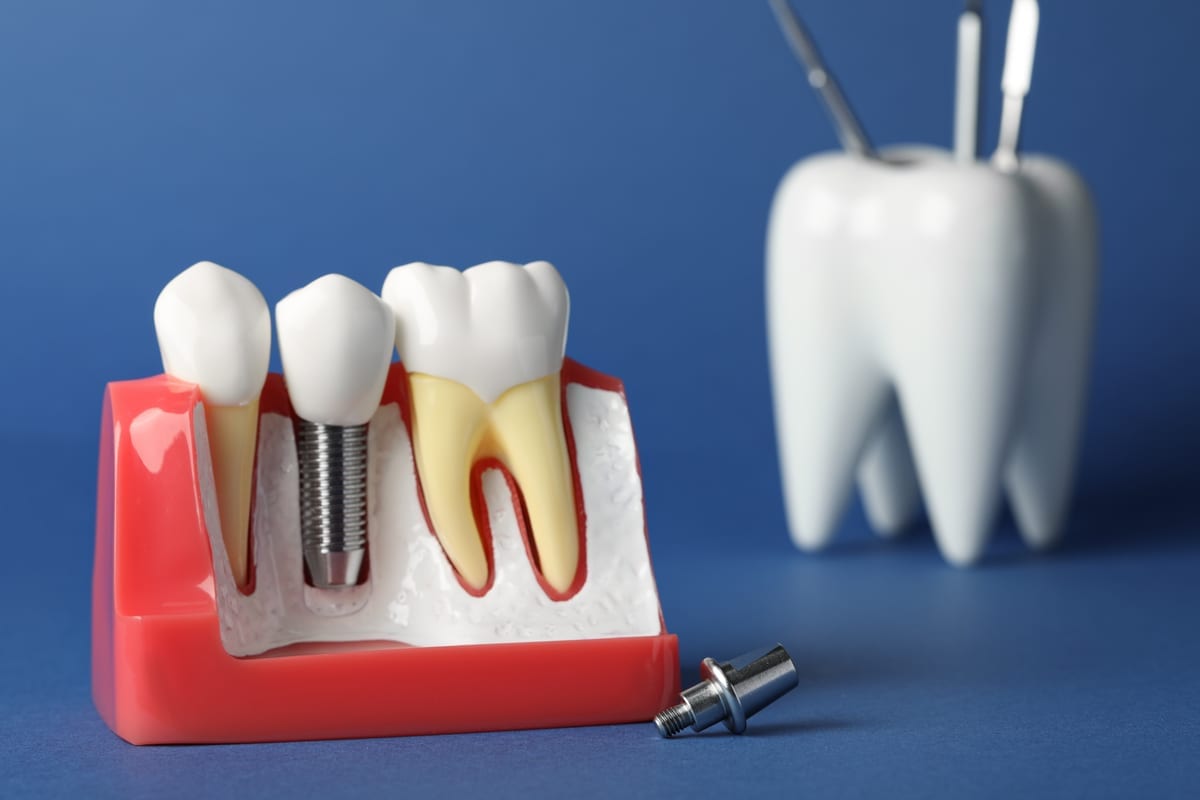
Dental implants replace missing teeth with a titanium post anchored directly into your jawbone. They look, feel, and function like natural teeth. Because they fuse with bone, implants offer long-term stability that other tooth-replacement options simply can’t match. That said, not every patient is ready for implants on day one — and that’s completely okay.
What Makes Someone a Good Candidate for Dental Implants in Millbrae?
The ideal implant candidate is a healthy adult with sufficient jawbone density and healthy gum tissue. Your jawbone must be strong enough to support the titanium post during and after the healing process. If your bone is healthy and your gums are free of disease, you’re already checking the most important boxes.
Age also plays a role — but perhaps not the way you’d expect. Teenagers and younger patients whose jaws are still developing are generally not ideal candidates yet. Adults of almost any age, including seniors, can successfully receive implants. There is no upper age limit, provided your overall health supports the procedure.
Here are the key traits that make someone a strong implant candidate:
- Fully developed jawbone (typically age 18 or older)
- Adequate bone volume and density at the implant site
- Healthy gum tissue free from active periodontal disease
- Good overall physical health and no uncontrolled systemic conditions
- A commitment to consistent oral hygiene habits
- Non-smoker, or willingness to quit before and during healing
How Does Bone Density Affect Your Implant Candidacy?
Bone density is one of the most critical factors in determining candidacy. When a tooth is lost, the surrounding jawbone begins to shrink over time. This process is called bone resorption. The longer a tooth has been missing, the more bone loss may have occurred.
Fortunately, low bone density doesn’t automatically disqualify you. Bone grafting procedures can rebuild lost bone volume before implant placement. Dr. Yang evaluates your bone structure using digital X-rays and 3D imaging right here in Millbrae. This detailed assessment tells us exactly how much bone you have and what — if anything — needs to be addressed first.
Patients who have worn dentures for many years often experience significant bone loss underneath them. Even these patients can frequently be helped with a bone graft. The process does add time to your overall treatment plan, but the long-term result is worth it for most patients.
Can Health Conditions Affect Whether You Qualify?
Certain health conditions require careful consideration before implant placement. Uncontrolled diabetes, for example, can slow healing and increase infection risk. Patients with well-managed diabetes, however, often successfully receive implants with appropriate monitoring and planning.
Autoimmune disorders, bleeding disorders, and certain medications — including bisphosphonates used for osteoporosis — may also affect candidacy. These are not automatic disqualifiers. They simply mean your treatment plan needs to be thoughtfully tailored to your situation. Dr. Yang takes a thorough medical history at your consultation for exactly this reason.
Conditions that affect your candidacy include:
- Uncontrolled diabetes or blood sugar irregularities
- Active cancer treatment involving radiation to the jaw area
- Severe osteoporosis or long-term bisphosphonate medication use
- Uncontrolled bleeding disorders or blood-thinning medications
- Chronic dry mouth caused by certain systemic diseases
Many of these conditions can be managed or treated so that implants become a realistic option. Open, honest communication with Dr. Yang about your full medical history is essential. The more he knows, the better he can plan for your success.
What About Smoking and Dental Implants?
Smoking is one of the most significant risk factors for implant failure. Tobacco use reduces blood flow to the gum tissue and bone. This slows healing after implant surgery and increases the chance of infection. Studies consistently show that smokers have higher implant failure rates than non-smokers.
This doesn’t mean smokers can never receive implants. It does mean the conversation needs to be honest. Dr. Yang will discuss your smoking habits openly and without judgment. He may recommend quitting — or at least stopping — for a specific period before and after surgery to protect your results.
E-cigarettes and vaping carry similar risks to traditional smoking. If reducing or eliminating tobacco use isn’t currently possible, Dr. Yang can help you weigh your options. Other tooth-replacement solutions like dental bridges or dentures may be appropriate in the interim.
What Happens If You’re Not Ready Yet?
Being told you’re not immediately ready for implants can feel discouraging. But
Frequently Asked Questions
How long do dental implants last?
Dental implants are designed to be a permanent solution and can last a lifetime with proper care and maintenance. The implant itself is made of titanium, which integrates with your jawbone and resists decay, making it incredibly durable. Regular brushing, flossing, and professional dental checkups will help ensure your implants remain healthy for decades.
What is the recovery time after dental implant surgery?
Most patients can return to normal activities within a few days, though the complete healing process takes several months. During the first week, you may experience some swelling and discomfort, which can be managed with prescribed pain medication and ice packs. The implant needs time to fuse with the jawbone, a process called osseointegration, which typically takes three to six months before the crown is placed.
Am I a candidate for dental implants?
Most people with good overall health and adequate jawbone density can receive dental implants, though a thorough evaluation is necessary. Your dentist in Millbrae will assess your bone structure, gum health, and medical history to determine your candidacy. Even if you have some bone loss, advanced techniques like bone grafting may make implants possible for you.
How do dental implants compare to bridges and dentures?
Unlike bridges and dentures, dental implants are anchored directly into your jawbone, providing superior stability and preventing bone loss over time. Implants feel and function like natural teeth, allowing you to eat, speak, and smile with confidence without worrying about slippage. While the initial investment is higher, implants require less maintenance and typically outlast other tooth replacement options.
Will anyone know I have dental implants?
No—dental implants are custom-designed to match the color, shape, and size of your natural teeth, making them virtually indistinguishable. Your dentist will carefully craft the crown to blend seamlessly with your existing smile. Unless you tell someone, they will have no way of knowing that you have an implant rather than a natural tooth.